
WHAT IS IT?
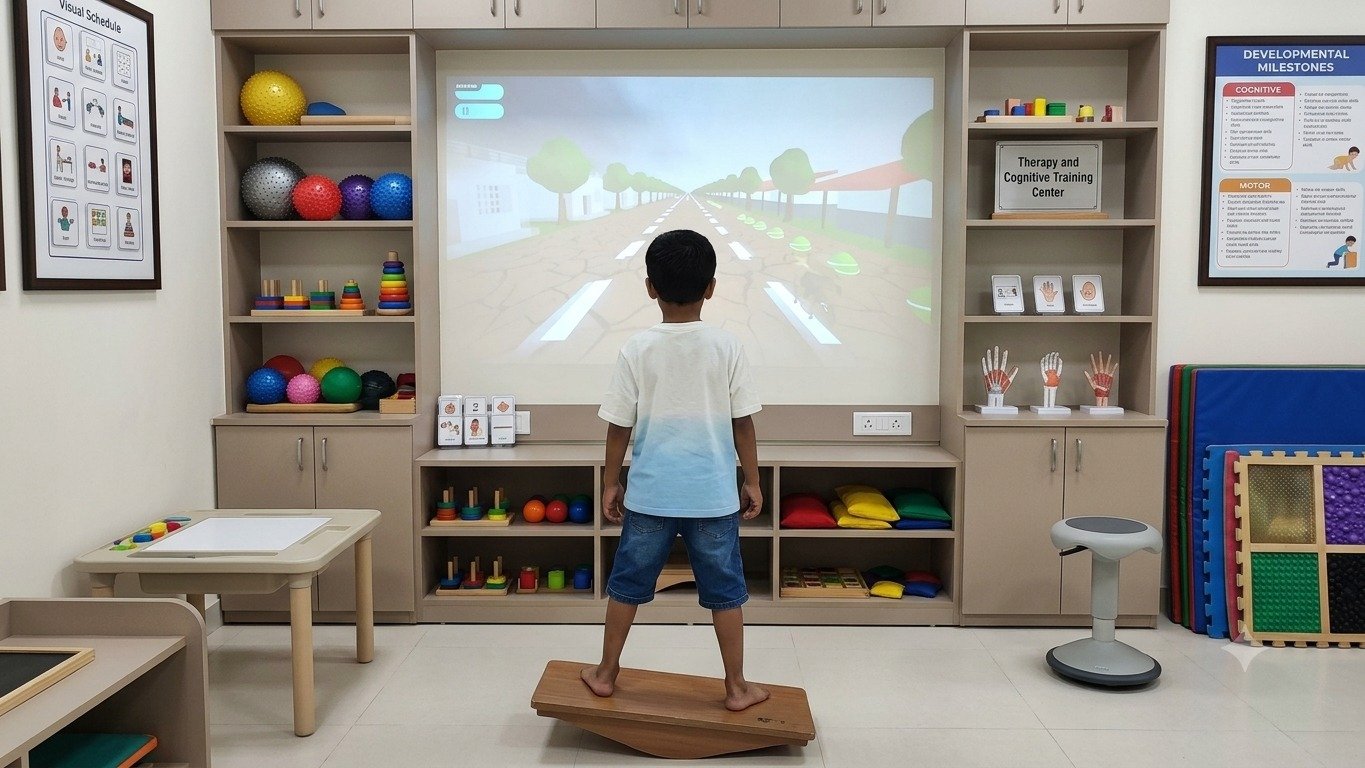
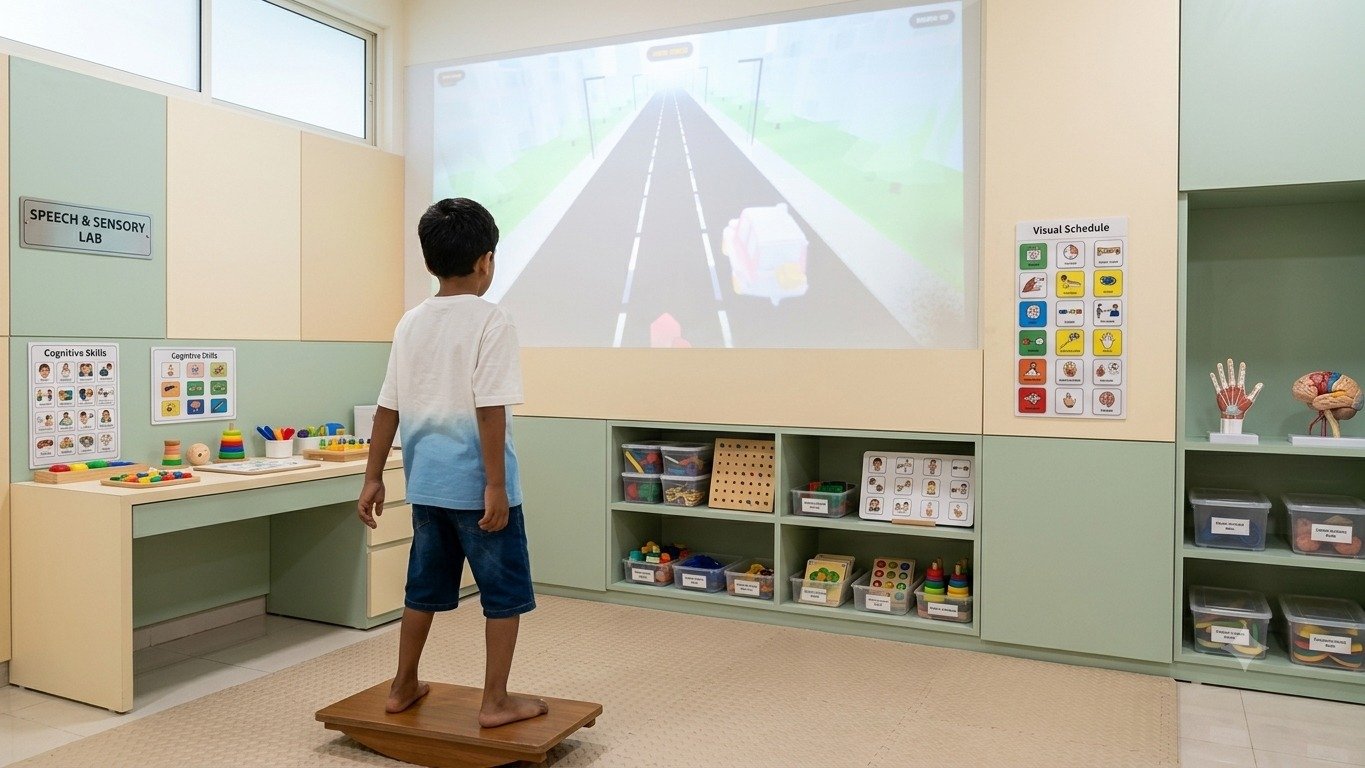
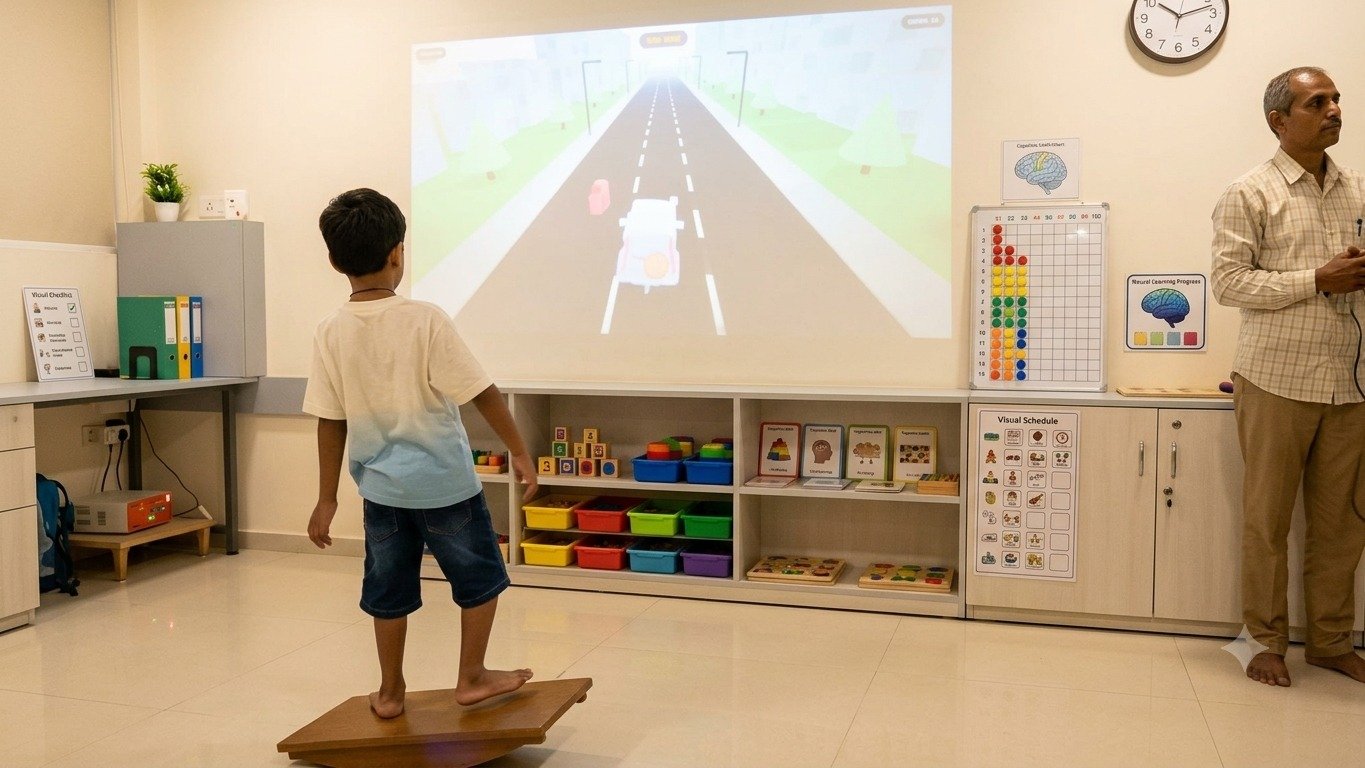
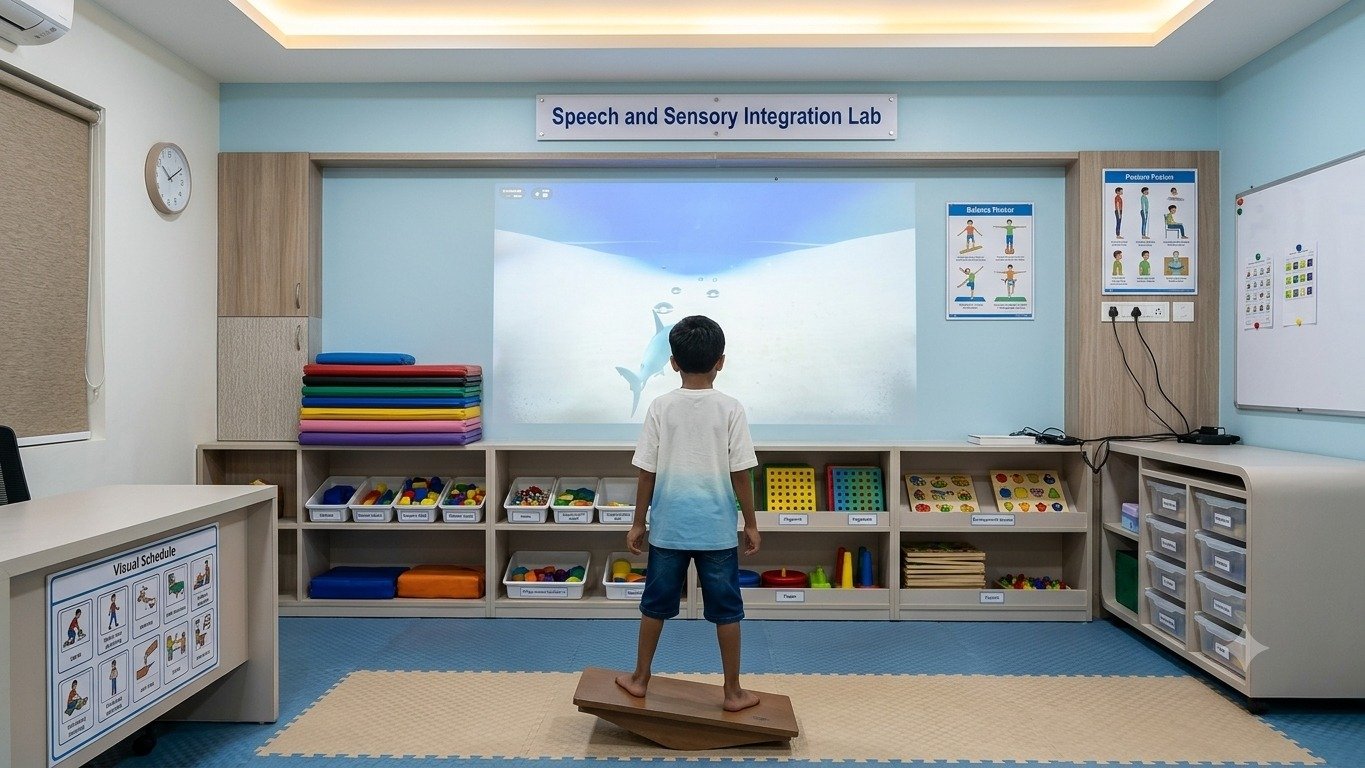
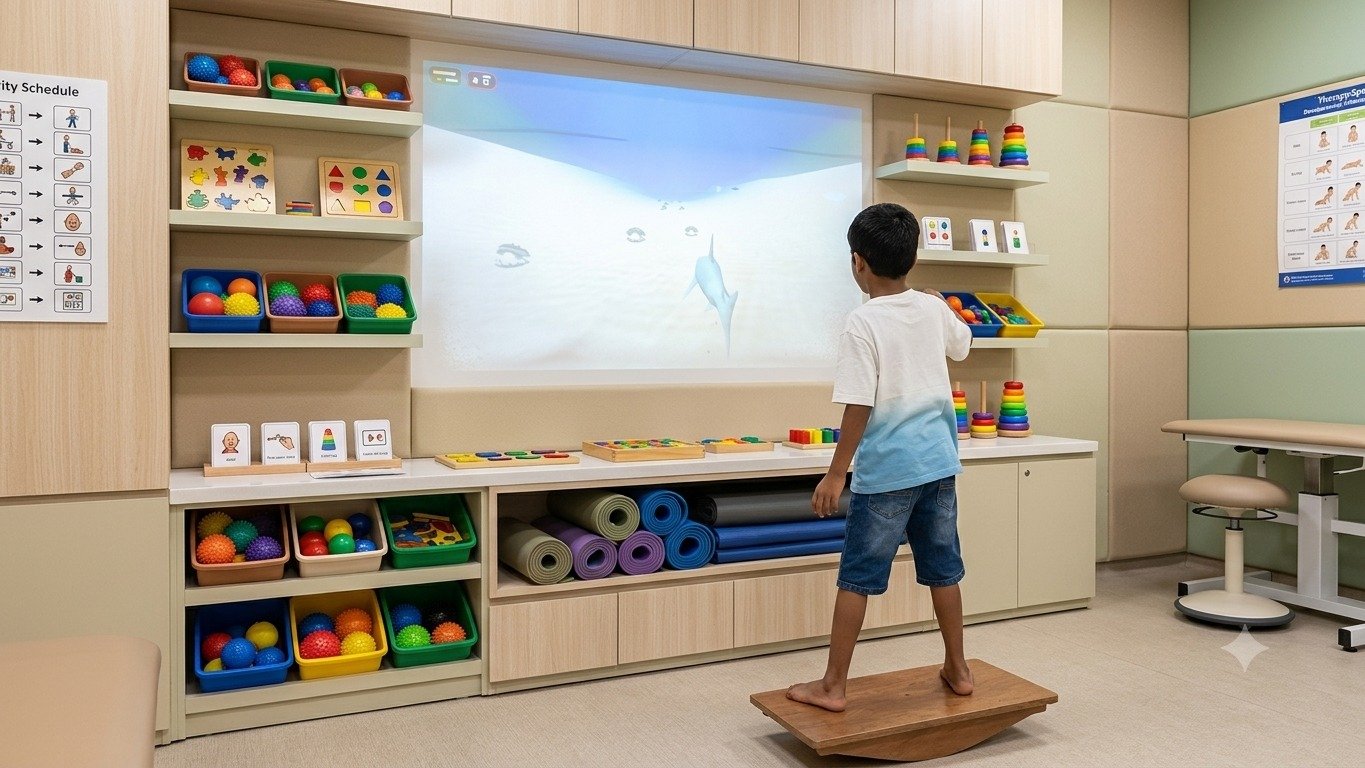
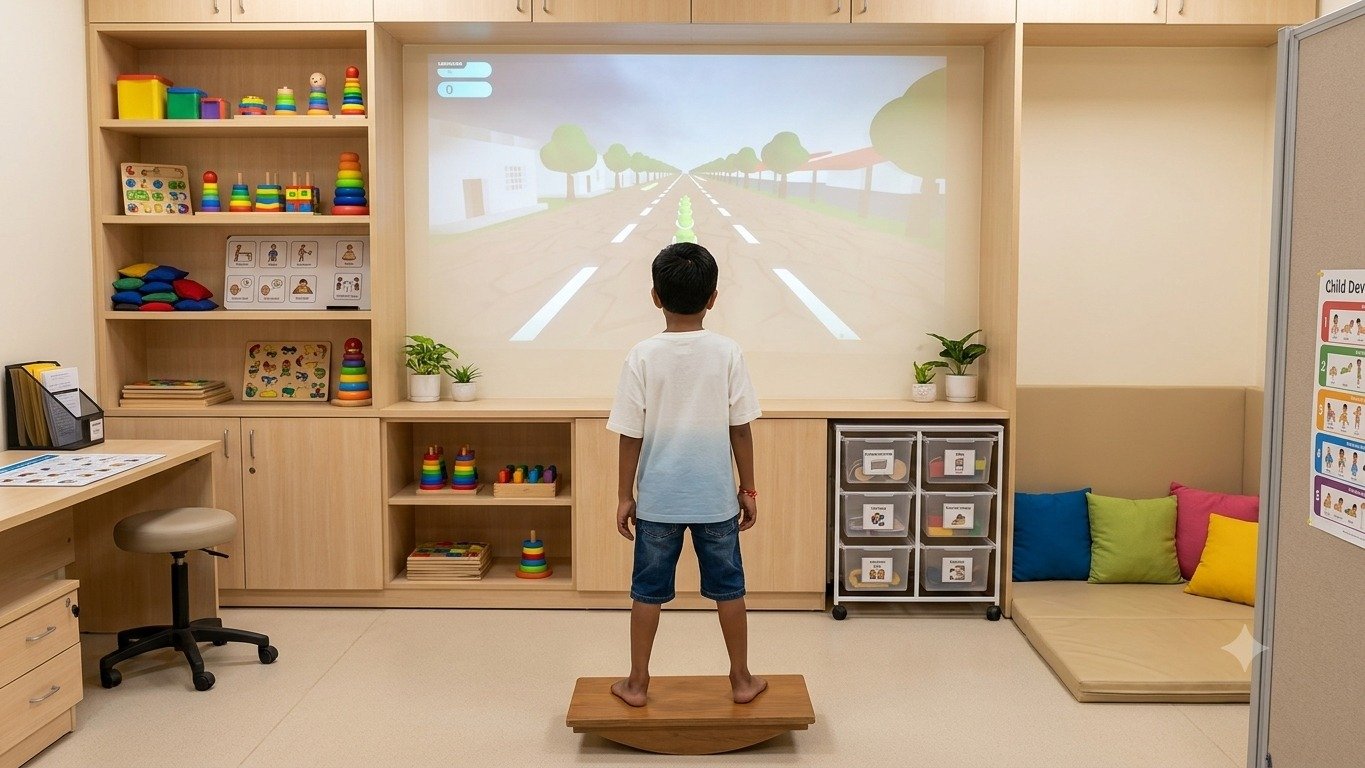
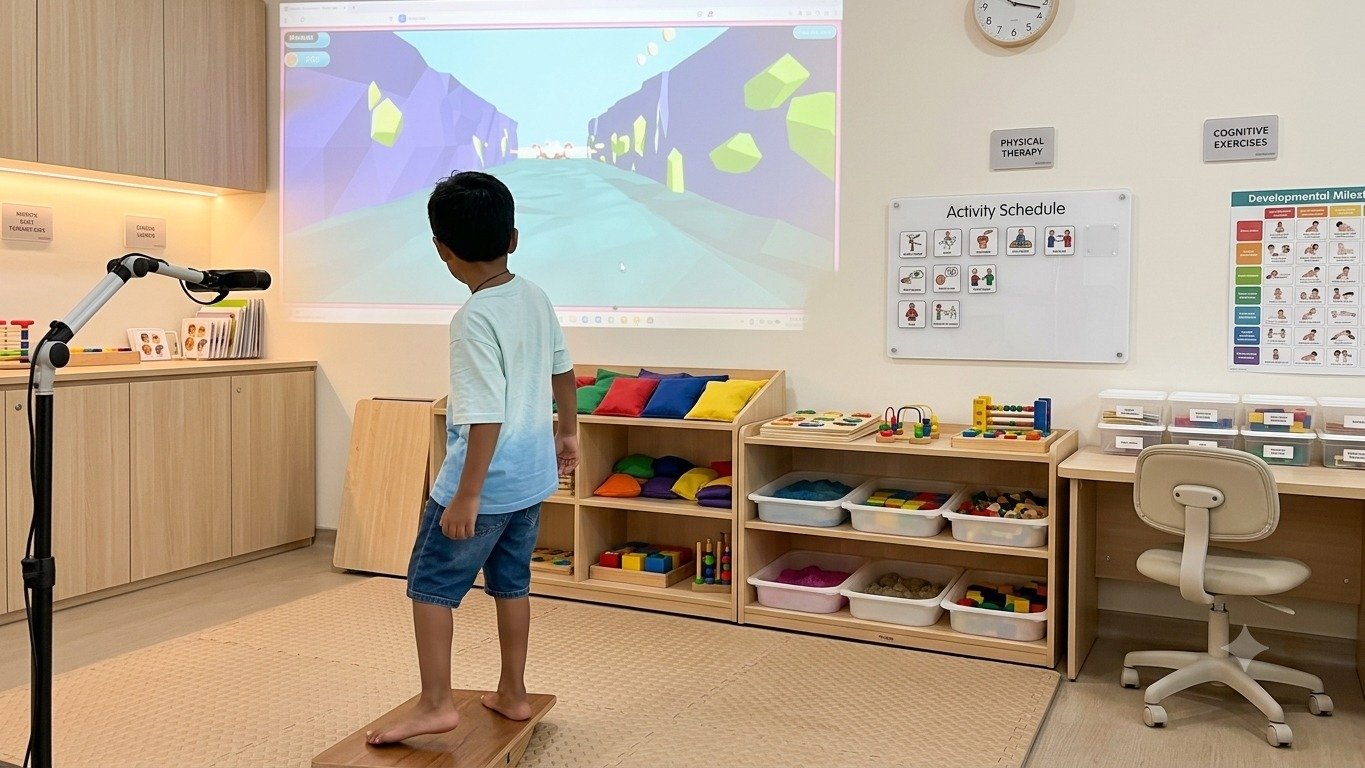
● An acivity-integrated balance board that requires the child to shit weight and maintain balance to control on-screen acions
● The board’s IMU (Inerial Measurement Unit) sensor detects real-ime posture and weight distribuion
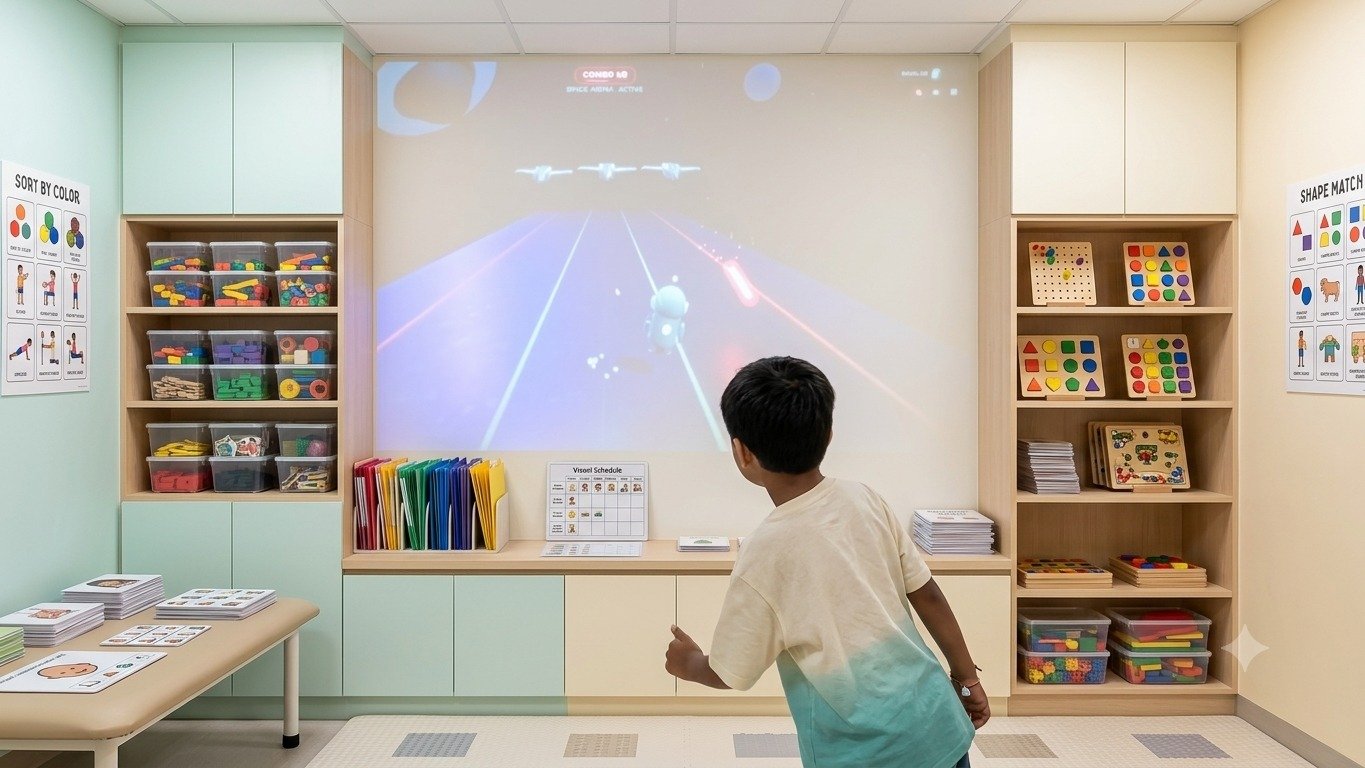
● Aciviies are projected or displayed on screen — the child controls the acivity by balancing correctly
● OT/PT professional controls direculty level (angle of challenge, speed of acivity) from the therapist app
● Ofers assisive audio cues for blind and parially-sighted children — spoken direcional prompts supplement (not replace) the visual balance targets, with an OT/PT professional supervising throughout
WHY IS IT USEFUL?
● Cerebral palsy children with spasic diplegia commonly have balance deicits and irregular gait — balance board training is clinically essenial
● Tradiional balance training is passive and boring for children; engaging, acivity-based design dramaically increases session duraion and compliance
● The IMU sensor provides objecive propriocepive feedback that manual therapy cannot deliver
● Samagra Shiksha mandates physiotherapy for CwSN in In-SRR — this directly fulils that requirement
THERAPEUTIC BENEFITS — EVIDENCE BASED
● A published systemaic review and meta-analysis found balance-board therapy improves funcional balance outcomes in children with cerebral palsy [19][20]
● Balance-board therapy combined with convenional PT showed greater improvement than PT alone in short structured sessions [22]
● Structured, twice-weekly balance-acivity programmes over a 12-week course show measurable improvement across outcome measures [22]
● Efects persist up to 2 months post-intervenion in children with ataxic cerebral palsy [21]
● Structured propriocepive rehabilitaion is associated with improved neuromuscular control in paediatric balancetraining programmes [22]